
By William Woods
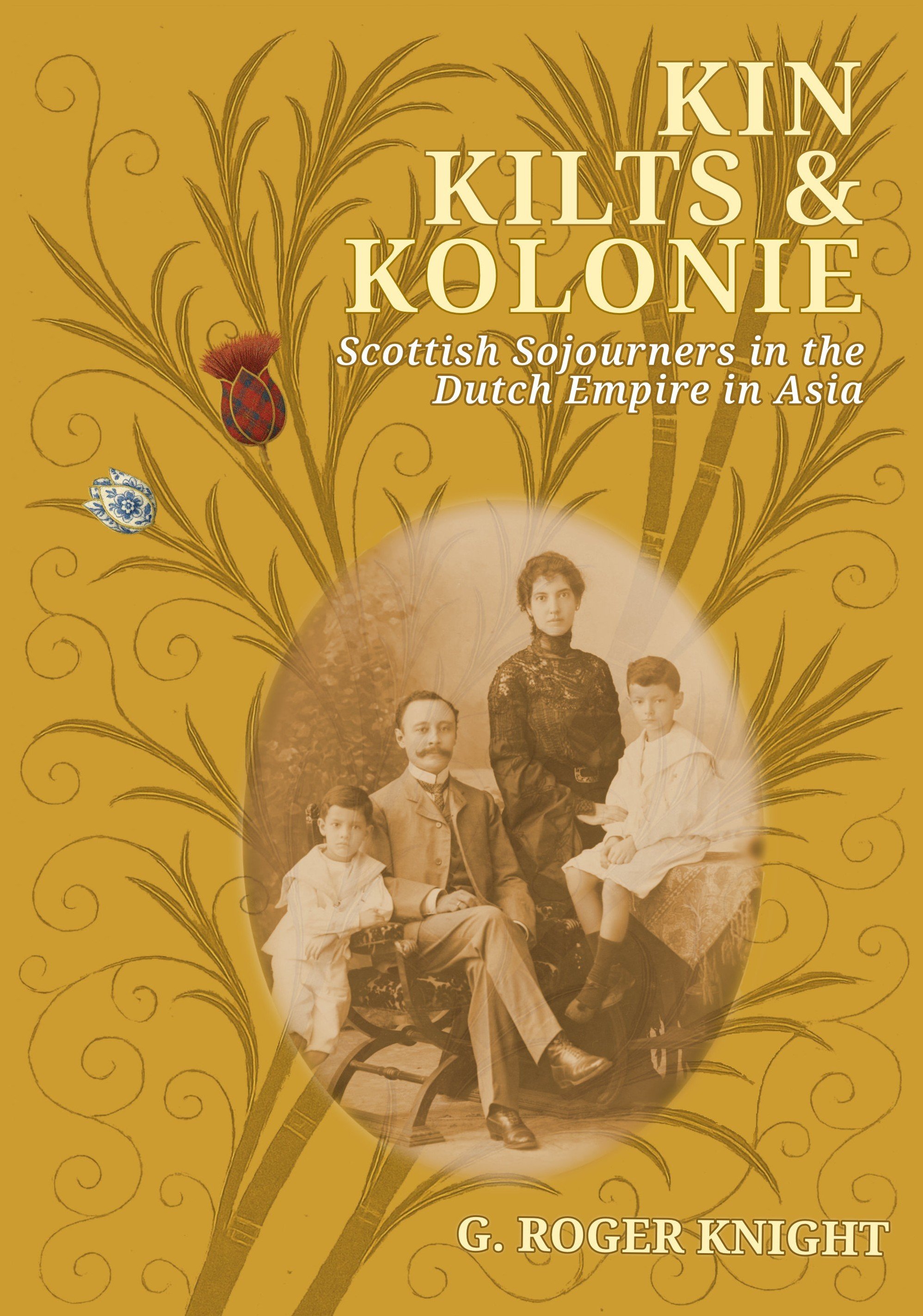
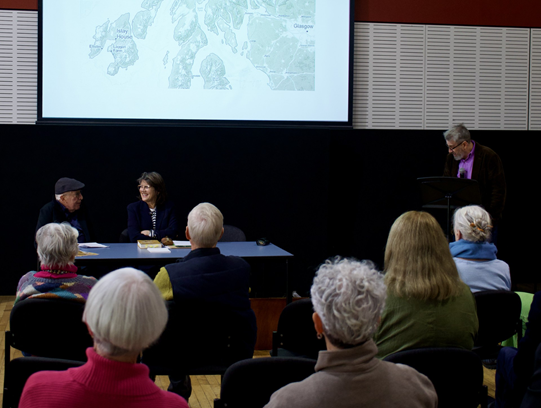
To the wistful strains of a Highland air, a keen audience gathered in the Madley Rehearsal Studio, in Adelaide, on a grey May afternoon for the launch of G. Roger Knight’s Kin, Kilts and Kolonie: Scottish Sojourners in the Dutch Empire in Asia.
Scotland, the Indies and Beyond
Few events could have been better matched to the South Australian History Festival’s theme of ‘Connections’. Through the stories of Scottish families who followed the rising tide of empire to the Dutch East Indies (modern Indonesia), Roger traces a world of migration, commerce, kinship and cultural exchange stretching from Scotland to Southeast Asia, Australia and beyond. The way of life these sojourners created endured for more than a century before being swept away by war and decolonisation.
Variations on a Theme
Acting as master of ceremonies, broadcast journalist Simon Royal opened the afternoon with an amused nod towards the scattering of tartan among the audience before introducing historian Vesna Drapac, who officially launched the book.
Reflecting on Roger’s parallel careers as historian and music critic, Vesna suggested that his ear for musical form was evident in the structure of the work itself. The stories of individual families, she observed, unfold like variations on a theme, gradually combining to reveal a larger picture of the commercial and social world that linked Scotland, the Netherlands and the Indies. Readers, she suggested, might best approach the book as they would a novel, following generations of lives carried between distant shores.
The World of Maclaine Watson
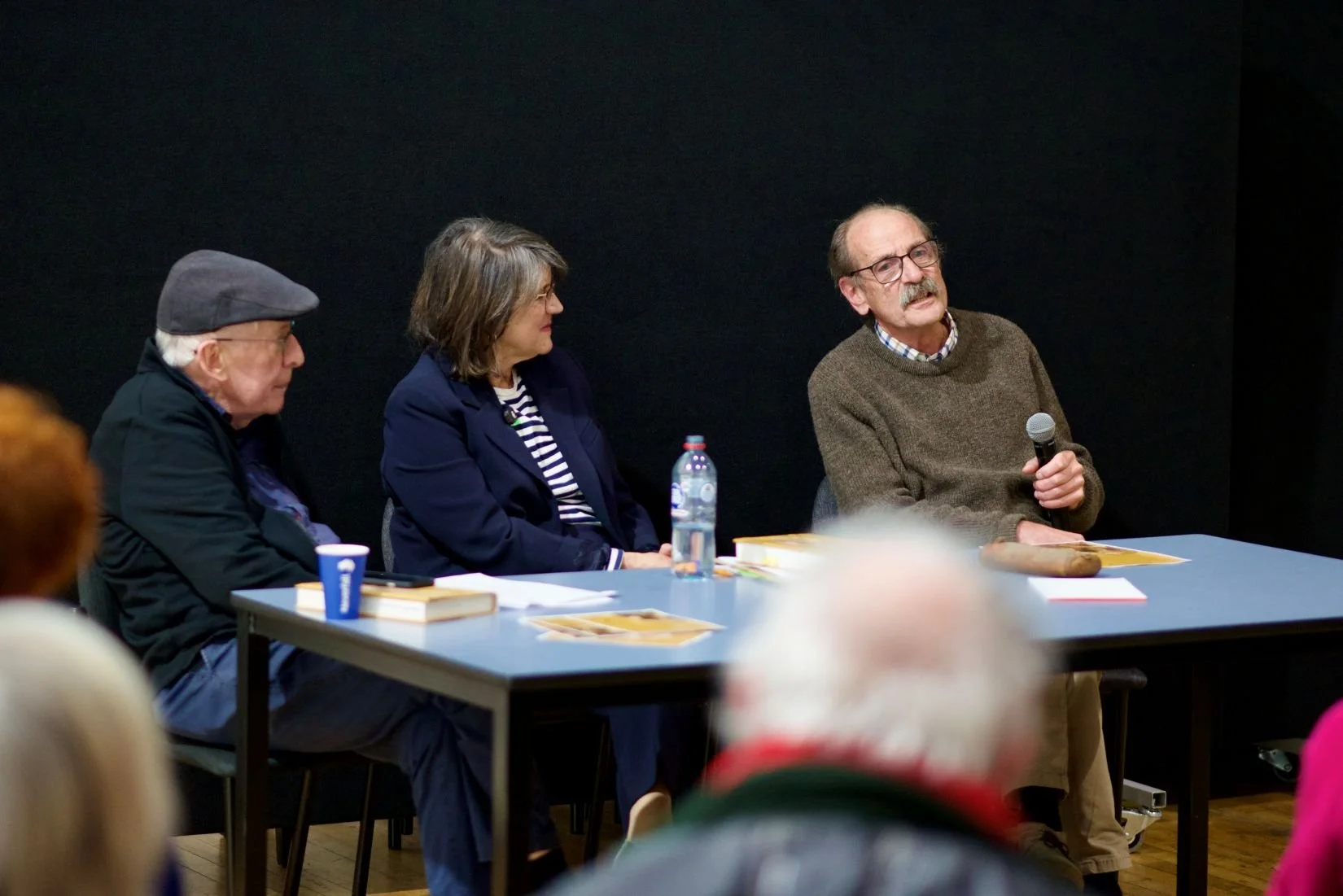
In conversation, Roger and Vesna discussed the long journey of research behind the book and shared anecdotes that illustrated both the opportunities and challenges by those who made their lives in the Indies. Time and again the discussion returned to Maclaine Watson & Co., the great mercantile house whose commercial network linked Scottish ambition with the sugar plantations of Java and carried their produce to consumers around the world. Around the firm grew a distinctive Scottish-Dutch-Indo community, whose story forms the heart of the book.
Photographs from Another Age
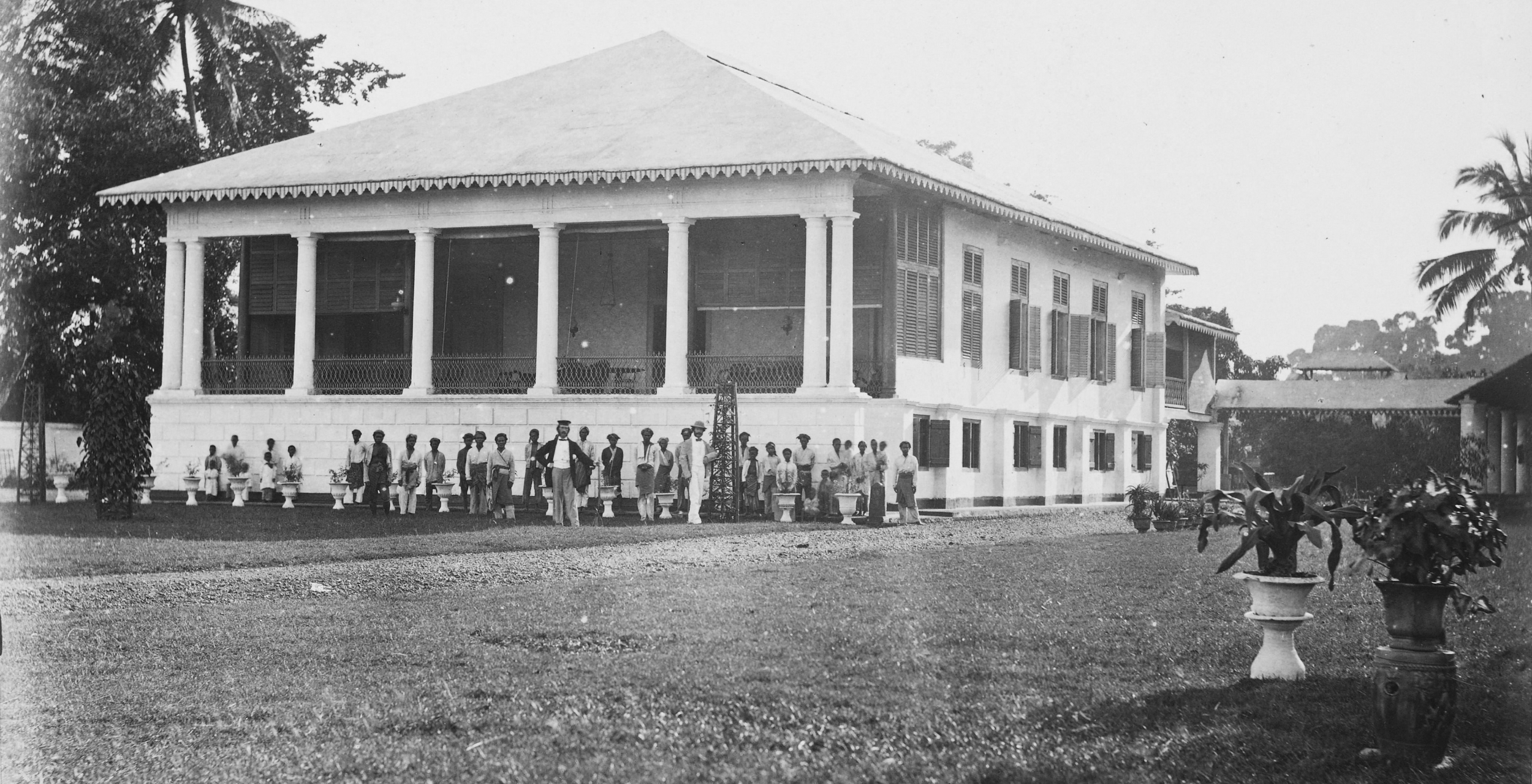
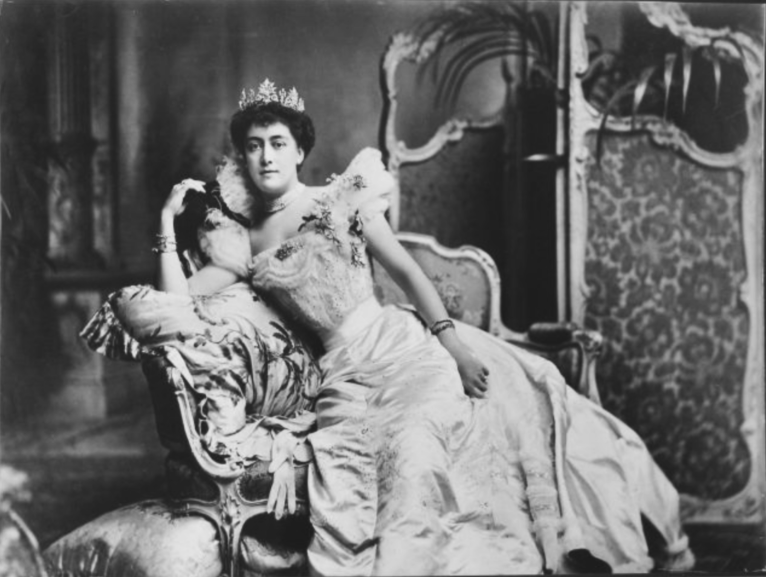
The presentation was illuminated throughout by a series of slides drawn from the book. Portraits of Victorian patriarchs and matriarchs, scenes of colonial life in Java, and views of British country houses traced the fortunes of the Scottish sojourners and their descendants. Particularly fascinating were a number of family photographs preserved in private hands. These rare images bring readers unusually close to the domestic world of colonial Java and are among the most distinctive features of the book.
Henriette Fraser
Among the most memorable images were the society portraits of Henriette Fraser, a vision in jewels and late Victorian splendour. As Roger explained, she had risen from a straitened childhood to become the chatelaine of a grand country estate and hostess to royalty. Yet her life, too, reflected one of the book's recurring themes: that prosperity in the Indies often came at a human cost. The opportunities could be great, but so too were the risks, and many lives were touched by illness, bereavement, or loss.
A Living Connection
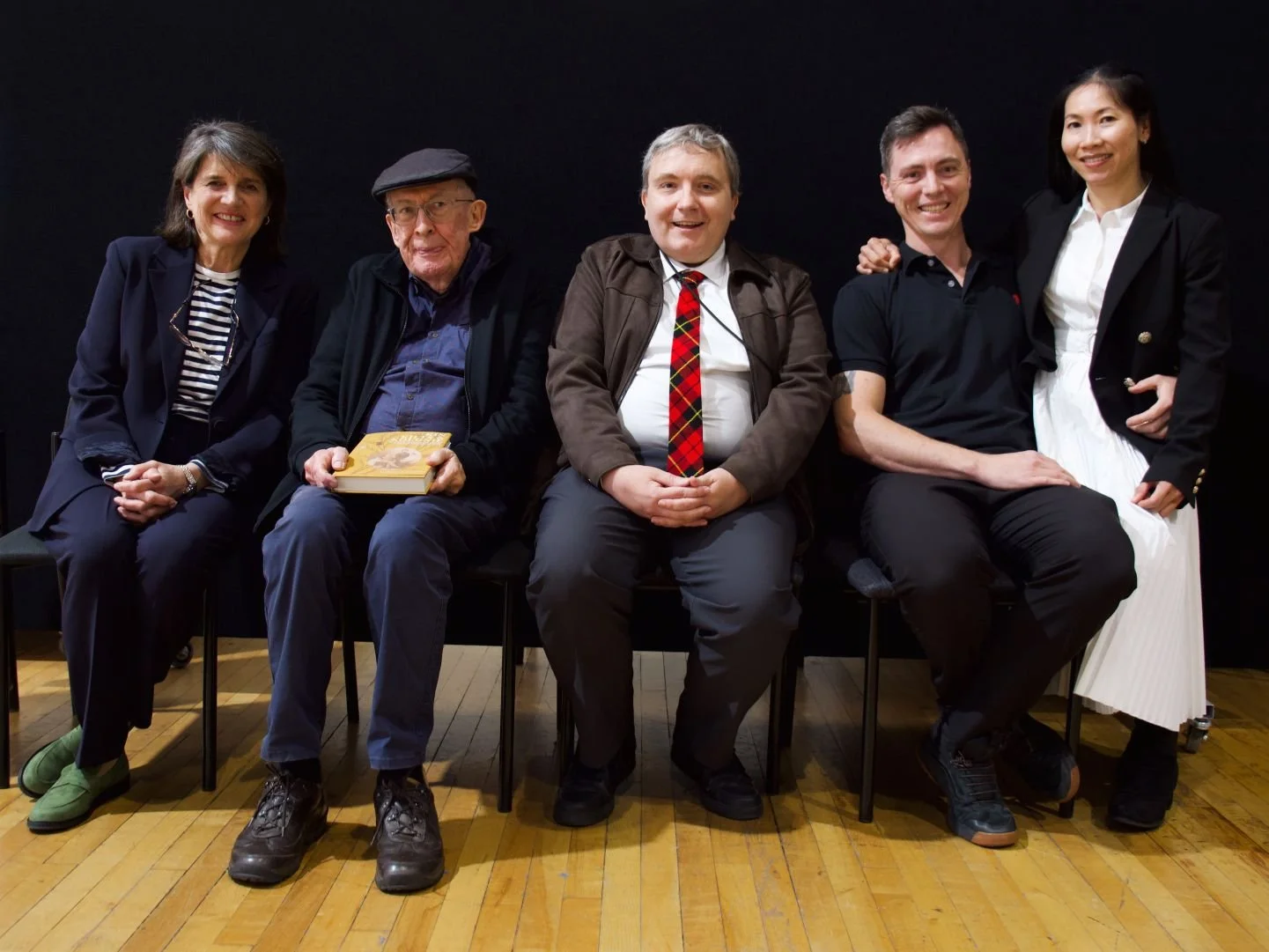
A personal contribution came from Richard MacNeill, who travelled from Melbourne with his wife Nora and family for the occasion. A descendant of the MacNeills of Islay—one of the families featured prominently in the book—and the custodian of many of its most evocative photographs, he provided a living connection to the history under discussion and reflected on the complexities of a diasporic inheritance.
Questions and conversation continued long after the formal proceedings concluded, with Roger generously sharing further stories from his research and discussing the interconnected lives that fill the book.
History Rediscovered
With descendants of one of those families present in the audience, the launch itself became a reflection of the book’s central theme: the enduring connections between people, places and generations. History seemed less a matter of distant events than of lives and stories waiting to be rediscovered.
Kin, Kilts and Kolonie is available in hardcover and eBook editions.