
The Magic Hour - Photographing Cuba in a Moment of Uncertainty
by Lorenzo DeStefano
In July 2026, Amaurea Press will publish The Magic Hour / La Hora Mágica: A Photographer’s Journeys Through Cuba, a photographic memoir by the American photographer Lorenzo DeStefano. Between 1993 and 1998, during Cuba’s difficult Período Especial, DeStefano travelled repeatedly across the island, creating a remarkable series of black-and-white photographs that capture everyday life at a moment of profound transition. The images that emerged from those journeys form the heart of this book – a personal record of encounters, landscapes and fleeting moments observed during a time when Cuba was navigating both hardship and change. Early readers have already recognised the power of the project. Cuba scholar Stephen Wilkinson has described the work as a compelling visual document of the period, while journalist and author Ann Louise Bardach has praised its intimacy and insight. In the reflection below, Lorenzo writes about the journeys that led to these photographs, and the meaning behind the title The Magic Hour.
All photographs © Lorenzo DeStefano
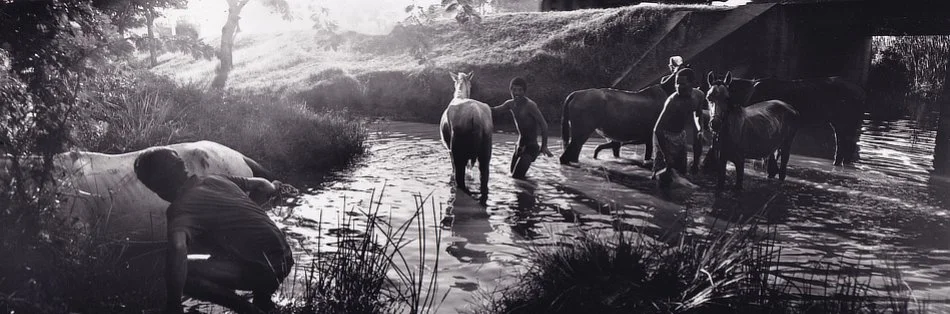
There is a brief moment each day when the light softens and the world seems to pause. Photographers call it the “magic hour” – that time just before sunset when shadows lengthen, colours deepen, and the ordinary becomes quietly luminous. It is a moment when things appear most clearly, even as they begin to fade into evening.
For me, that phrase eventually came to describe not only a quality of light, but also a particular moment in history.
Between 1993 and 1998 I travelled repeatedly through Cuba, photographing during the years known as the Período Especial – the period of profound economic hardship that followed the collapse of the Soviet Union. For Cubans, it was a time of shortages, uncertainty and adaptation. For a photographer, it was also a moment when everyday life revealed itself with unusual intensity.
My first trip to Cuba in 1993 had been made legally, under a cultural exchange licence from the United States Treasury Department. I returned later under very different circumstances – travelling alone, without official permission, and very much aware that I was stepping outside the boundaries my own government preferred its citizens to observe.
What drew me back was not politics, but people.
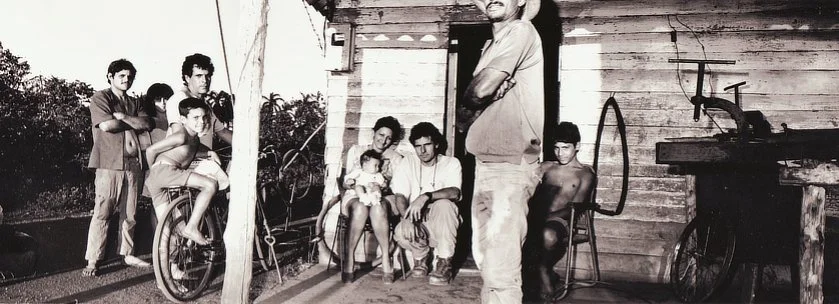
Again and again, I encountered individuals whose resilience, humour and quiet dignity seemed to transcend the circumstances around them. Much of my work during those years focused not on grand events or historical monuments, but on faces, gestures, and fleeting encounters: a man watching television in a hotel lobby, children playing in a dusty street, a stranger pausing long enough for a glance to be exchanged.

Photography often begins with curiosity. But what keeps you working is something deeper – the sense that certain moments are worth preserving before they disappear.
In Cuba I often felt that I was witnessing a society suspended in a kind of historical twilight. The Cold War had ended, but its structures and habits remained. The economy was struggling, yet daily life continued with a remarkable inventiveness. People improvised, repaired, adapted, and endured.

The photographs that make up The Magic Hour / La Hora Mágica grew out of those encounters. Over time, they became something more than a simple documentary record. They began to form a personal narrative – a visual diary of journeys taken through landscapes, cities and conversations.
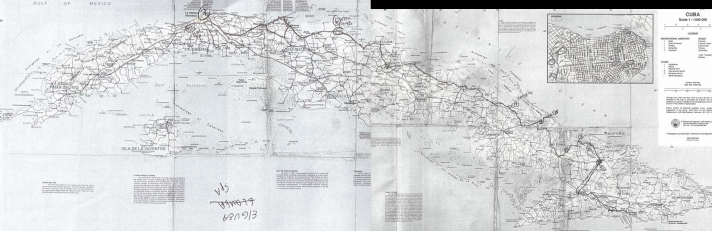
Focused primarily on a rugged, breakdown-plagued seven-day, cross-country journey from Santiago to Havana in a beat up 1952 Willy’s Jeep, affectionately known as “El Jeepy”, I was joined by my Cuban friend and driver Juan de Mata Montero Reyes. Together they encounter remote villagers, urban dwellers, Santería priests, and underage prostitutes.
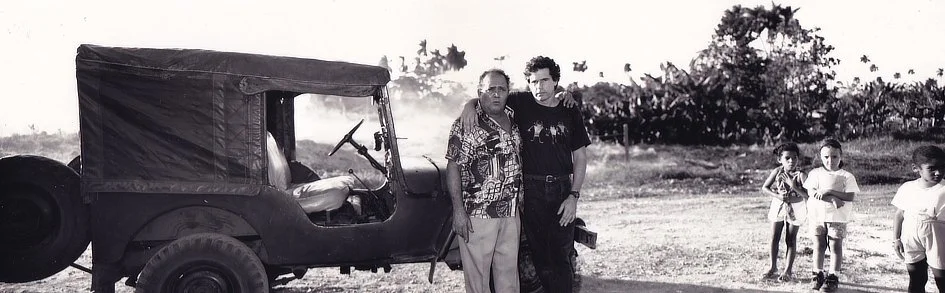
My friendship with Juan de Mata is at the centre of this book, which covers a variety of subjects including global politics, the ethics of making art, and the rights of man.
Their road trip cements a deep, cross-cultural friendship between two men of different generations, united by their both being born of islands.
Photography is sometimes described as a way of “capturing” reality. But I have always felt that the camera does something more modest and more mysterious. It observes. It listens. It waits for a moment when the subject reveals something of itself.
In Cuba that revelation often came in the most unexpected ways: a fragment of conversation, the rhythm of a street corner, the glance of someone who knows they are being photographed but chooses not to turn away.
Those are the moments when a photograph becomes possible.
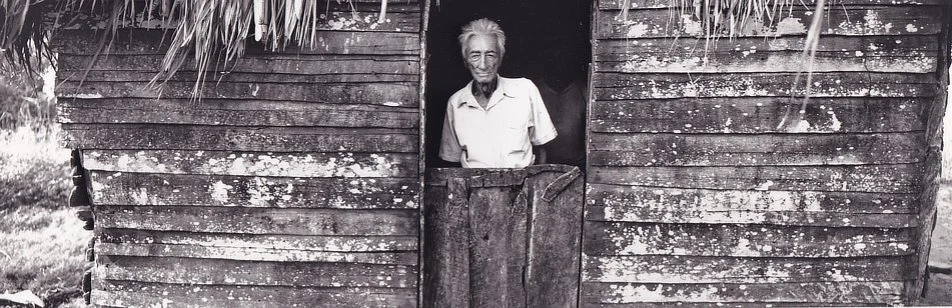
Many years have passed since those journeys. Looking back at the images now, I am aware that they belong to a particular time – a time when Cuba was undergoing a difficult transformation, and when relations between Cuba and the United States remained deeply strained.
Yet the photographs do not feel distant to me.
If anything, they feel more immediate now than when they were first taken. The questions they raise – about resilience, identity, memory and change – remain unresolved, both for Cuba and for the wider world.
For many of us on the outside, especially American, it remains difficult to penetrate beneath the cultural stereotypes and crosstalk that we receive about Cuba. The Magic Hour is an attempt to bridge the gap between what we see and what we think we know about this unique island nation ninety miles from the southeastern shore of the United States. Reports of how troubling things are in Cuba during this precarious time, as well as first person information I am getting from my many friends there, testify to yet another ominous “special period” in the country’s long and tumultuous history.
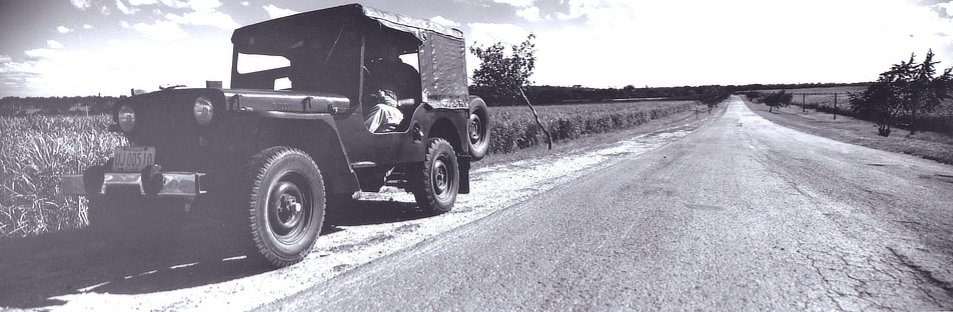
This book is not intended as a comprehensive account of Cuba during the 1990s. It is something more personal: the record of one photographer’s encounters with people and places during a period when history seemed both uncertain and strangely illuminated.
The title The Magic Hour reflects that sense of illumination.
Just as the evening light briefly transforms the landscape before night arrives, there are moments in history when the world seems to pause long enough for us to see it more clearly. The photographs in this book were made during such a moment.
If they succeed in conveying anything, I hope it is the presence of the individuals who allowed themselves to be seen – often in circumstances far more difficult than the photographs themselves can convey.
Photography, after all, is not only about images. It is also about trust.
The people who appear in these photographs entrusted me with a small fragment of their lives. Many years later, this book is my attempt to honour that trust.
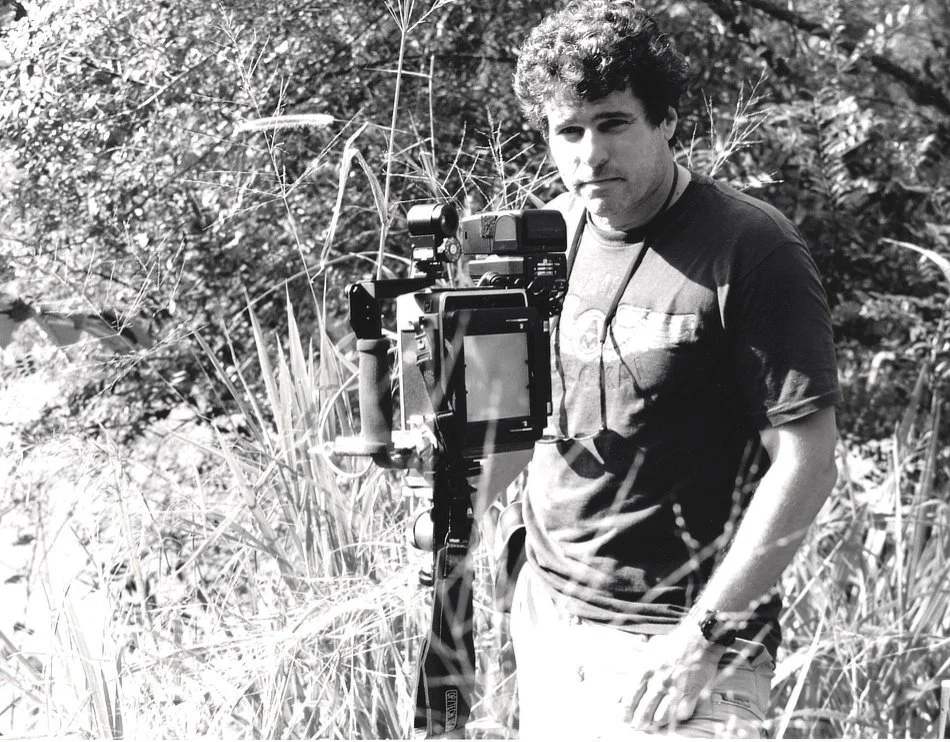
Lorenzo DeStefano
All photographs © Lorenzo DeStefano